I was invited to contribute an article on quantum computing in the 2025-2026 Macrotrends issue by Harvard Business Review Italia. You can purchase the issue here.

At Munich Quantum Software Forum, I gave the invited talk “Challenges in quantum software – and possible open-source solutions“. You can watch it here.

Metis is the first startup to win the Inno4Gov 50k€ prize, awarding the best startup innovating in public administration in Italy. The Legenda4Gov proof of concept was tested by the Chamber of Commerce of Milan, Italy’s largest one, with 200.000 companies registered. You can read an interview to Metis CTO here (in Italian).
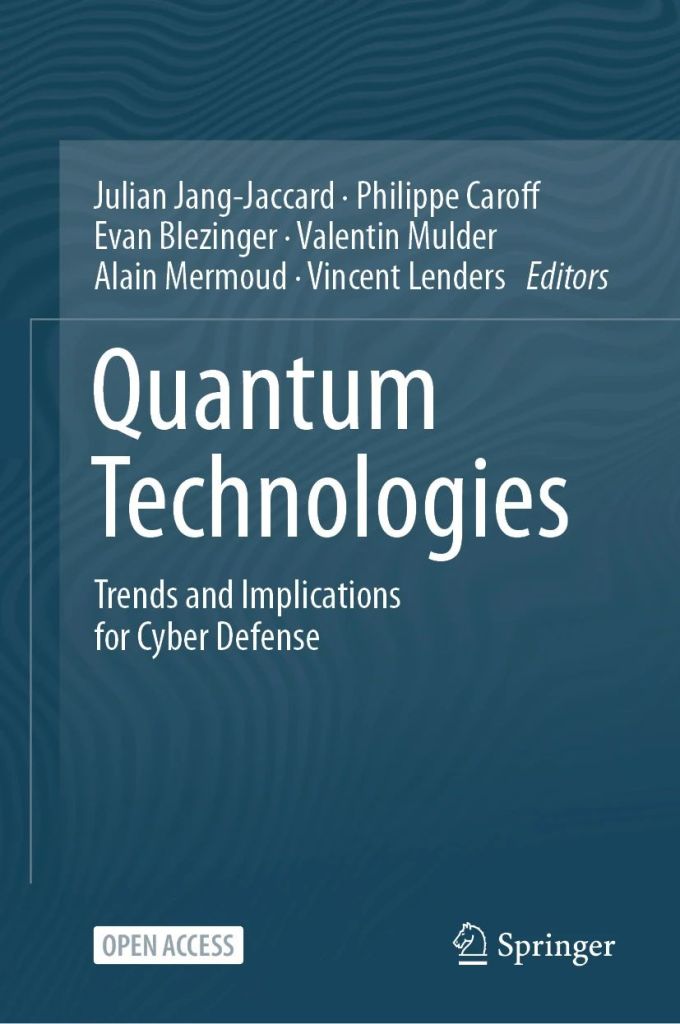
I contributed one chapter on error management and control to the open access book “Quantum Technologies: Trends and Implications for Cyber Defense” edited by Armasuisse, a deparment from the Swiss Ministry of Defense. You can read it here.

Metis launched Legenda v1.0, a SaaS smart data room with semantic search enabled by AI.

Unitary Foundation is part of the SMART Stack project for the development of a scalable compilation stack in quantum computing, awarded a grant by the US Department of Energy. As part of it we’re developing the unitary compiler collection (UCC)
The Unitary Foundation 2024 Annual Report is out. You can read it here.
The Quantum Glass-based Photonic Integrated Circuits (QLASS) project has been awarded a 6M€ grant by Horizon Europe. In it, I lead Work Package 5 (software) for Unitary Fund.
The Unitary Fund 2023 Annual Report is out. You can read it here.
The Center for Quantum Science and Engineering hosted me at EPFL for a short visit during which I’ve given a seminar on “Benchmarking, simulating and correcting errors in quantum computers with open-source tools”. You can find the slides here.
The website for Metis, the startup I co-founded, is live. Have a look at metisai.it to learn more about how AI can help document management for professionals and companies. Metis’s first product, Legenda, a smart dataroom with semantic search enabled by AI, is in beta testing.
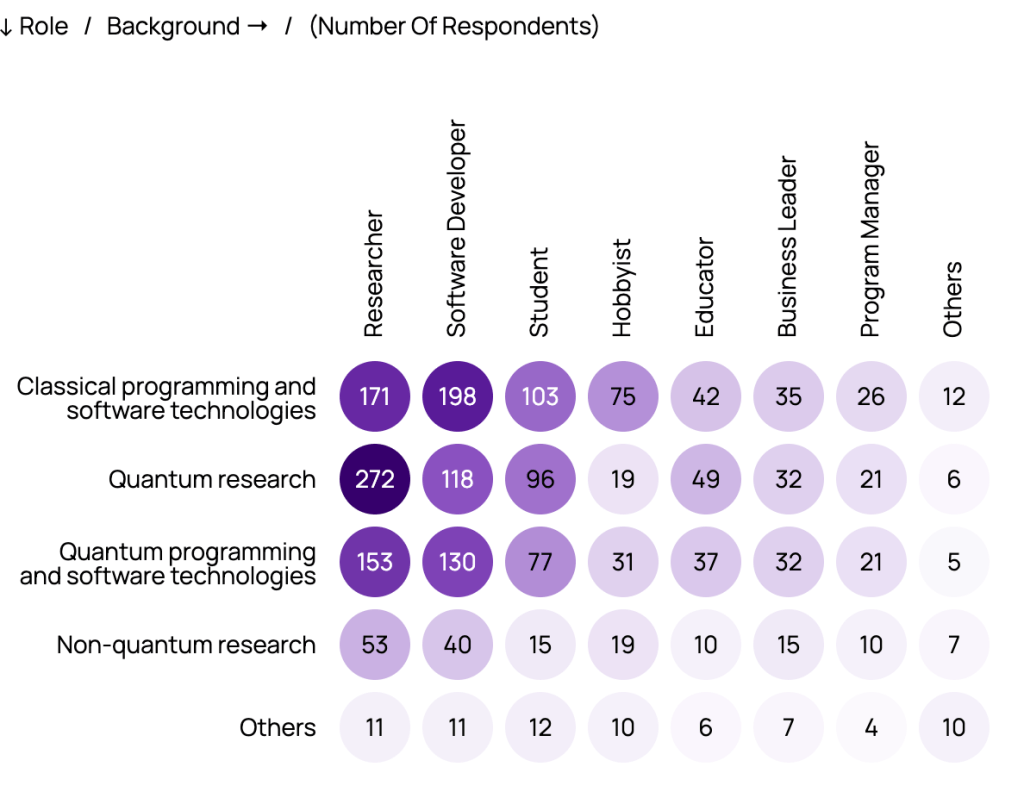
What’s the state of quantum software in 2023? Find out more in the 2023 Quantum Open-Source Survey results that we published at Unitary Fund. You can find our commentary here.

What tools are out there to design open hardware in quantum technology? What would an “Arduino” project in quantum look like? I teamed up with experts in the field to provide the first review of this emerging field, with a snapshot of several projects. You can read it here.
I am the Principal Investigator for the Mitiq POSE project, focused on the growth of a quantum open-source ecosystem for error mitigation, a project that has been awarded a $1.5M grant by the National Science Foundation (NSF). You can read more here.
In Spring 2023 I gave three invited lectures on quantum error mitigation at the ARQC All-hands meeting at Berkeley Lab, in Berkeley, at the University of Milan Bicocca (for their MSc degree on AI and Physics), and at NISQAH 2023, in Neve Ilan, Israel. You can find the NISQAH slides here.
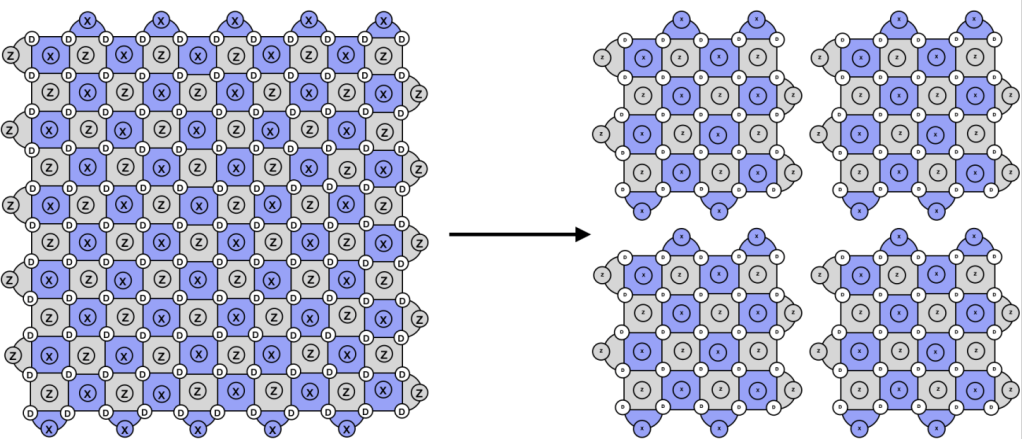
In April 2023 the Unitary Fund team uploaded two research manuscripts: the first one upgrades quantum error mitigation to the fault-tolerant regime of quantum computing, the second one simulates noisy quantum computers on a single GPU with up to 54 qubits.
I serve as scientific advisor for Quantum Italia by Scientifica VC, Unitary Fund’s latest core member. Scientifica’s activities include startup financing, sabbaticals and open calls for ideas.
In March 2023 we released the Unitary Fund annual report. It contains an overview of many activities in which I’ve been involved in the past year.
In November 2022 Unitary Fund released the results of the first survey on the quantum open-source software ecosystem. It collected over 1000 responses (including diversity & inclusion) and its an important milestone to understand who codes in “quantum” and what they like.
In Fall 2022 I’ve been invited to present the work performed by the technical staff of Unitary Fund at various institutions in the Chicago area and on the East Coast: at Fermilab; Northwestern University; Super.tech (a U. Chicago spinoff, now part of Infleqtion), IBM Research NYC, and Harvard University. Slides from my talk at Harvard can be found here. I could also witness a growing support for open-source software at MIT, QuEra (Harvard-MIT spinoff) and at AWS Quantum NYC.
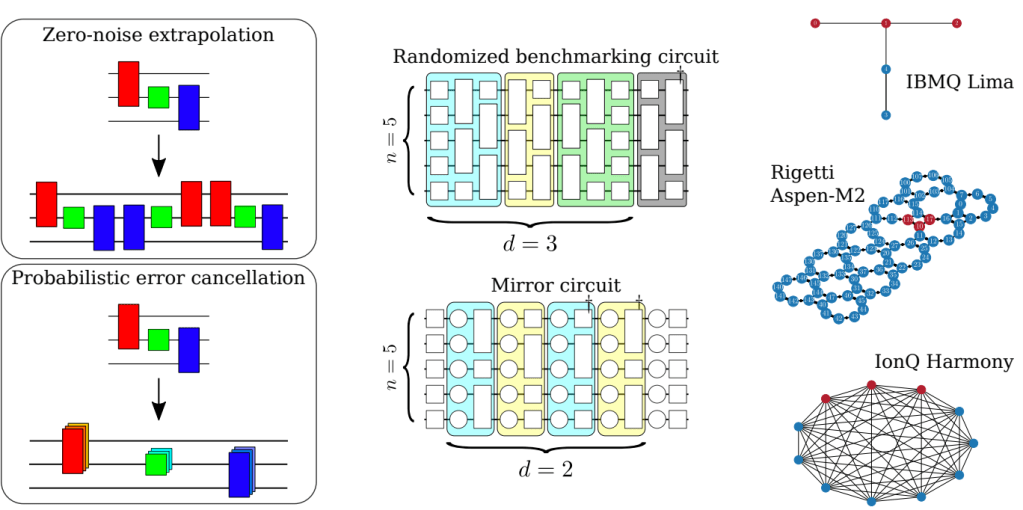
In this preprint we provide the first test on three different quantum processing units of out-of-the-box quantum error mitigation techniques with Mitiq.

In the Summer of 2022 I’ve been able to attend in person two wonderful Summer schools. At the SQMS Summer School in Florence, Italy, I presented an overview of “Quantum Error Mitigation” (slides here). At the Advances in AI Summer school on Lake Como I gave a lecture on “Open-Source Software Development in Quantum Computing” (slides here).
At Unitary Fund we launched Metriq, an online platform for community-driven benchmarks of quantum computing metrics. Read more in this blog post and in the press release.
Unitary Fund’s 2021 annual report is out. The breadth of activities has been growing, as the organization. Growing Unitary Fund’s activities has been the central focus of my endeavors in the past two years: have a look to see what we’ve accomplished and what comes next.
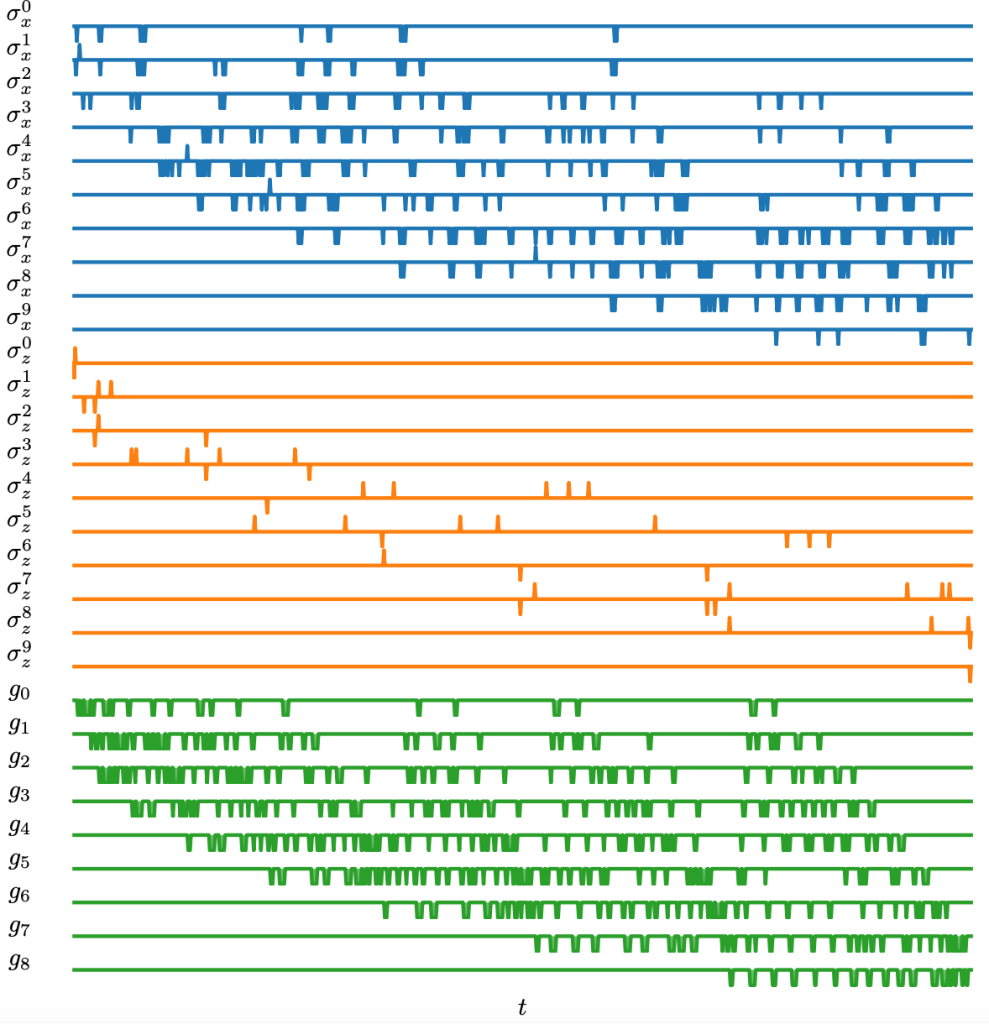
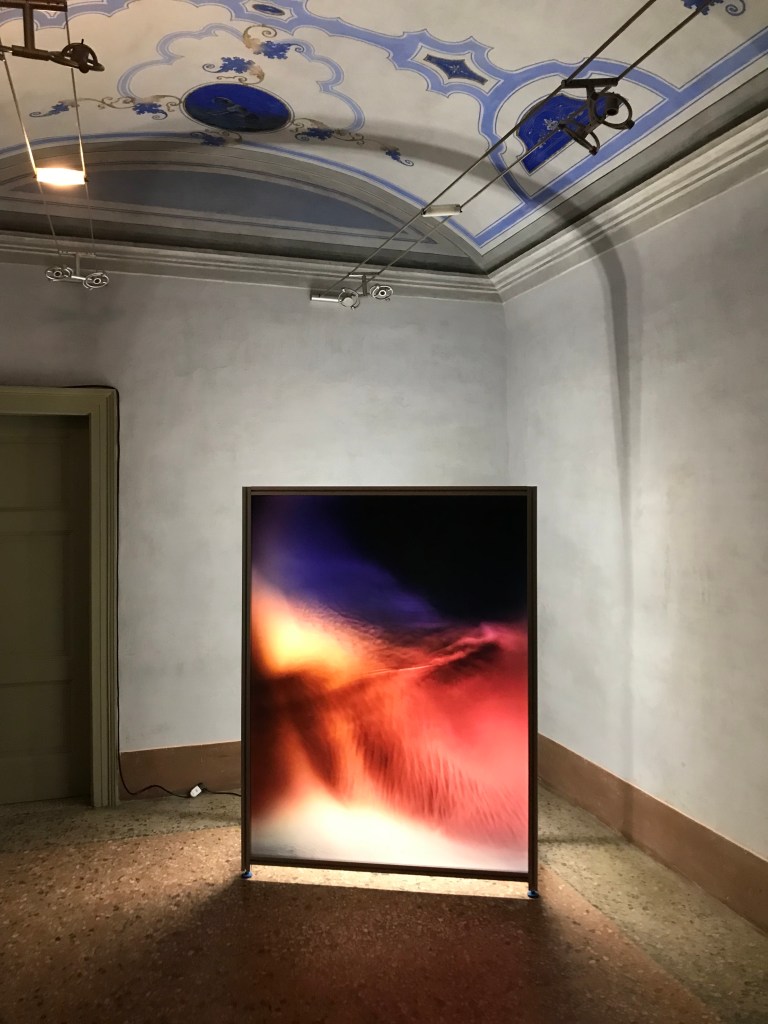
The art-science project Wisdom of uncertainty is a photographic project by Frank Stelitano which I contributed to artistically (generating plots on entropy), as scientific contributor (with a text on entropy) and as scientific advisor. The works has been exhibited at Villa Brivio Dec 15th, 2021 – Jan 31st, 2022, supported by Fondazione Luigi Rossi. Here an article about it.
In this post on the AWS blog, we show how Mitiq, the quantum error mitigation toolkit we are building at Unitary Fund, can be used to reduce errors through Braket on real quantum processors.
I gave a (remote) guest lecture on quantum information science to Waseda University students attending the course of “Introduction to Information Society and Science”.
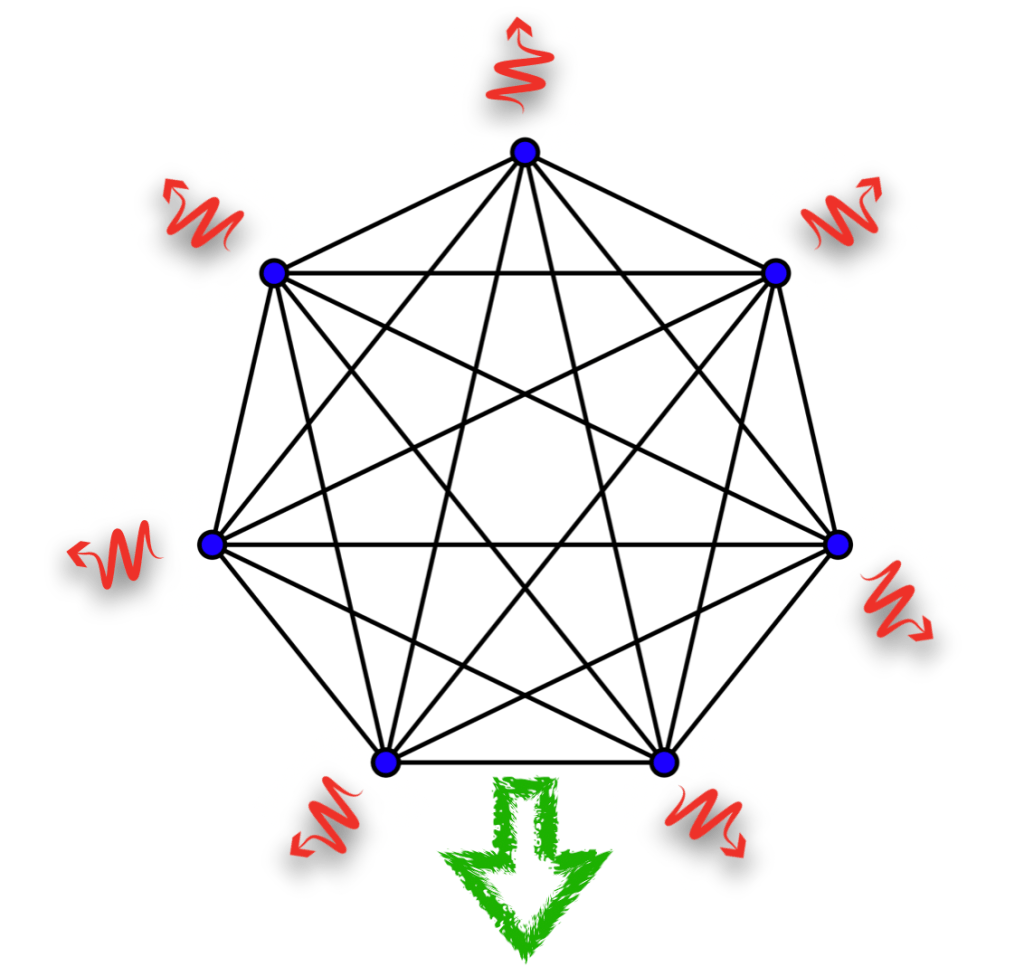
Our article on PT-symmetric Liouvillian dynamics in the XYZ model has been published in Physical Review B.
I participated in two remote webinars by Le Lab Quantique and QWorld. You can watch the recording of the talk on open source in quantum science (short version here, long version here).
I joined full time the Unitary Fund, a non-profit organization working with open source in the quantum computing ecosystem.
Just before leaving Japan, I gave a talk at the Tokyo Python Society Club.

I gave a talk on open science and open-source software at the Machine Learning Tokyo meetup. You can find the slides here.

I wrote an article about open-source software in science for the Italian online newspaper Linkiesta.
I was invited to Google AI Quantum in Los Angeles, where I gave a seminar on “Cooperative mechanisms in quantum physics and in its open-source community”.

In September 2019, I co-founded the Association of Italian Researchers in Japan (AIRJ) for which I am acting as vice president.
 Nathan Shammah